01
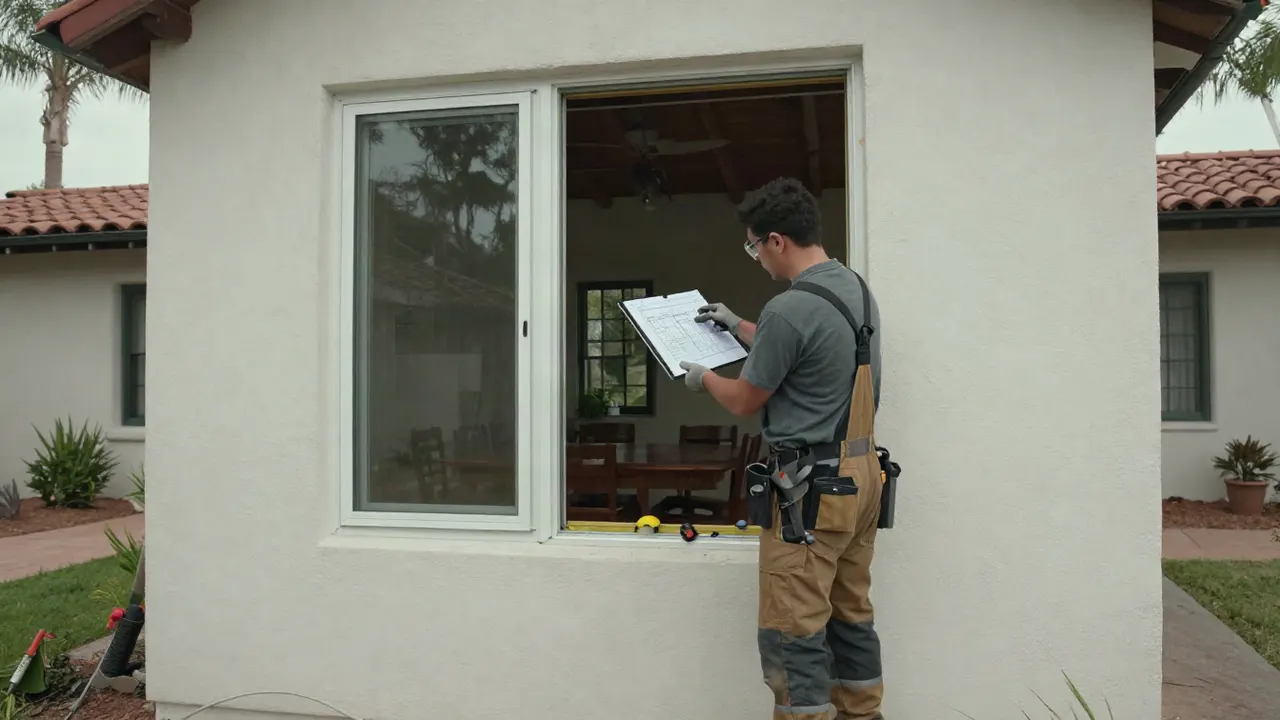
A 1920s Spanish bungalow in Echo Park with the original wood bow window, single-pane glass, and a sill that has gone soft from years of marine layer moisture.
What we do: We measure the opening, cut out the rot to solid wood, and install a wood-frame bow window with low-E glass to match the original profile. Flashing tape and silicone caulk seal the perimeter, and we patch the stucco edges so the repair disappears.
→ The house keeps its period look, the drafts stop, and the new unit is warrantied for decades instead of patched every other year.
02
A 1960s ranch home in Woodland Hills with a west-facing bow window that bakes the living room every August and pushes the AC bill past $400 a month.
What we do: We spec a fiberglass frame with a low-E glass package and argon gas, sized to the existing opening. Fiberglass holds its seal better than vinyl in extreme heat, and the low-E coating blocks most of the solar gain that was driving the cooling load.
→ Summer cooling costs drop noticeably, the room stays usable in the afternoon, and the glass no longer radiates heat onto the furniture.
03
A rental property in North Hollywood where the bow window glass has failed on four of five panes and the tenant has complained about drafts for two winters.
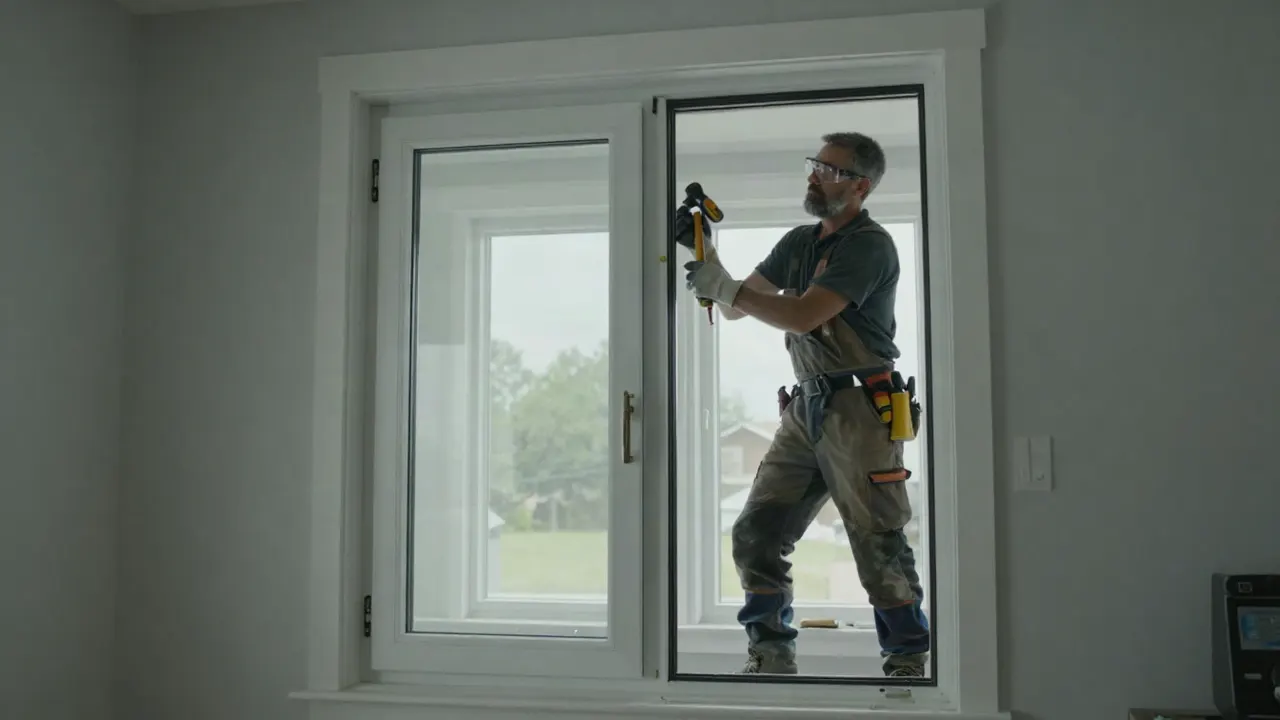
What we do: We quote a full unit replacement rather than glass-only, because the frame is out of square and new glass would fail again. The install runs one day, we pull the permit, and the tenant gets a window that opens and latches properly.
→ The draft complaint stops, the unit passes inspection, and the owner avoids a turnover cost at the next lease renewal.
04
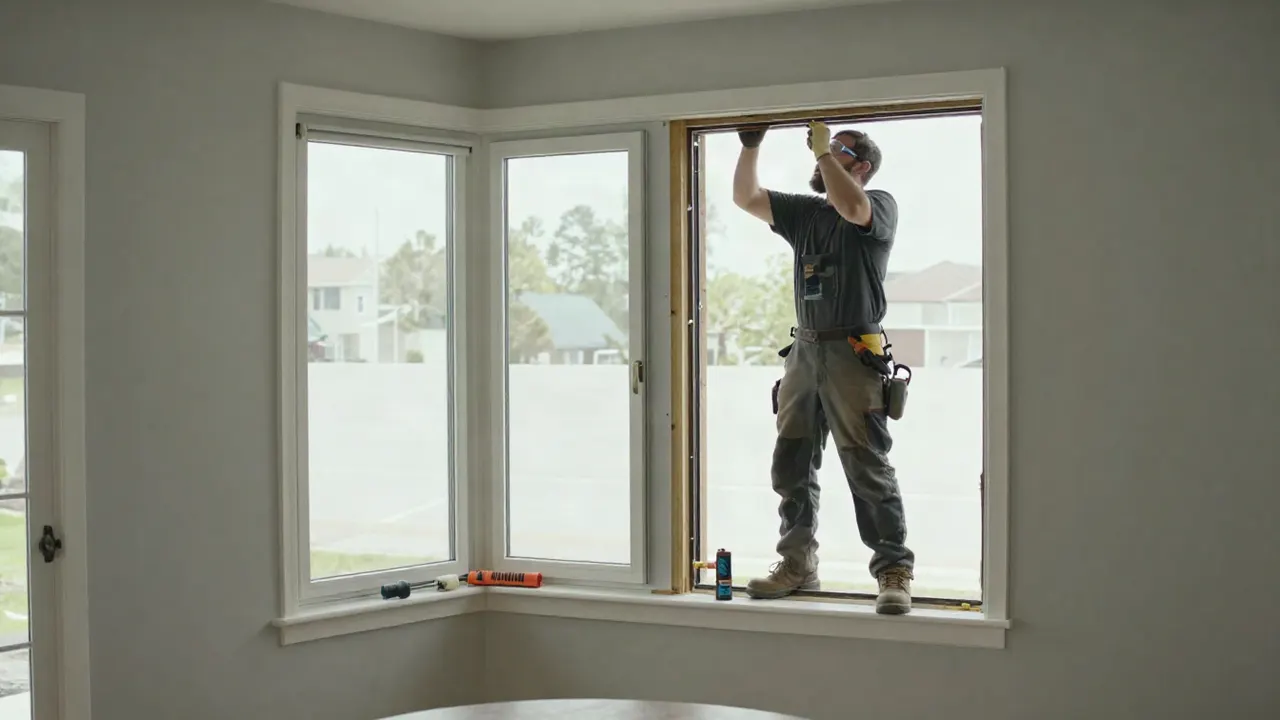
A coastal home in Santa Monica where salt air has corroded the hardware and the bow window will not latch shut, which is both a security and a water intrusion problem.
What we do: We install a unit with corrosion-resistant hardware and a marine-grade finish on the exterior cap. Flashing and caulking are done to AAMA standards so the salt air does not get behind the trim and start the rot cycle again.
→ The window latches tight, water stays out during winter storms, and the hardware holds up instead of pitting within two years.